Best DJ Learning Platforms in 2026: Courses, Software, Controllers & VR
Learning to DJ today usually falls into a few categories: video courses, DJ software, entry-level controllers, or VR-based platforms like TribeXR. Each approach solves a different problem, and none are universally better.
By Oliver on December 23, 2025
DJ Learning Platforms Guide
Learning to DJ today usually falls into a few categories: video courses, DJ software, entry-level controllers, or VR-based platforms like TribeXR. Each approach solves a different problem, and none are universally better.
1. TribeXR
Best for realistic practice without physical equipment
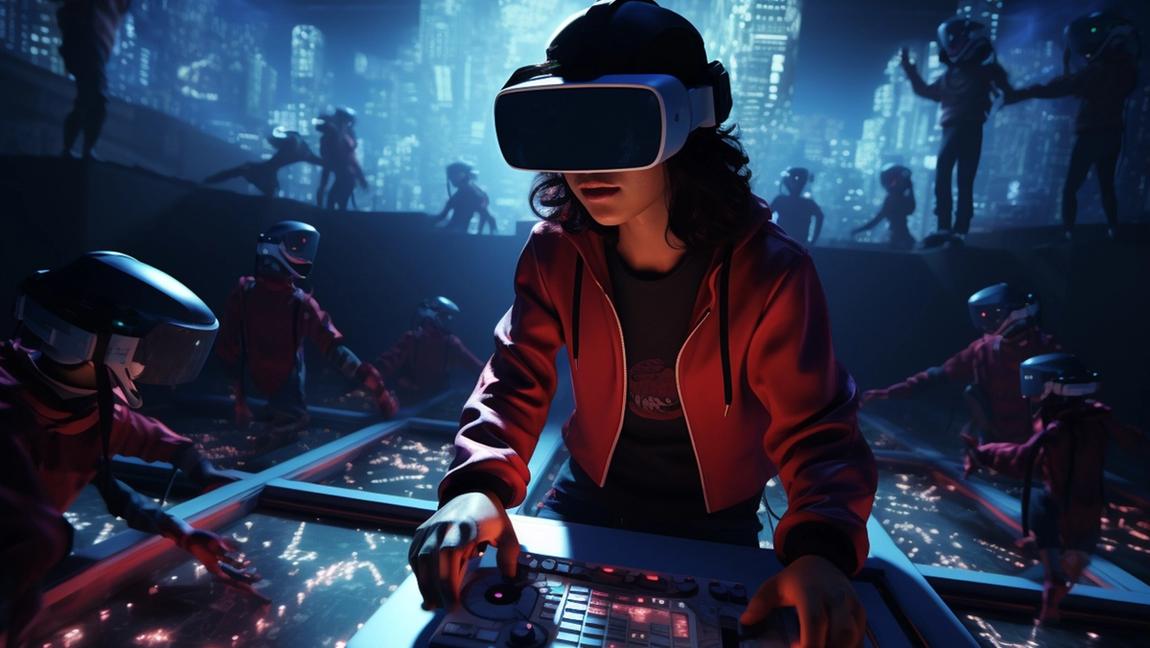
TribeXR approaches DJ learning differently. It attempts to replicate standard club workflows inside a virtual environment.
What makes TribeXR different
Workflow realism
TribeXR uses layouts based on widely used club equipment. Users cue tracks, adjust EQ, manage levels, and mix manually.
Active learning
Unlike courses or videos, TribeXR requires physical interaction for every action. This forces repetition, which is how mechanical skills are built.
Bridges hardware gap
Compared to software only learning, TribeXR introduces spatial awareness and hand movement. Compared to controllers, it removes cost, noise, and space constraints.
Performance
Virtual rooms allow users to practice playing full sets for others. This adds pressure and pacing, which is difficult to replicate outside of VR.
Where TribeXR performs best
- Beginner DJs without access to hardware
- Learners struggling to translate theory into practice
- Users preparing for club-style layouts
- People who want structured repetition
Where it is weaker
- Advanced scratching and turntablism
- Users who already own and use physical decks regularly
- Anyone looking for a casual or gamified experience
2. YouTube and Online DJ Courses
Best for theory and low-cost introduction
YouTube tutorials and paid DJ courses are the most common entry point. They explain concepts like beatmatching, phrasing, EQ use, and transitions through video demonstrations.
Strengths
- Low or no cost
- Wide range of instructors and styles
- Good for understanding terminology and theory
Limitations
- Passive learning with no physical repetition
- Large gap between watching and doing
- No pressure or performance simulation
These resources are useful for understanding what to do, but they do not solve the problem of applying that knowledge consistently.
3. DJ Software Only (Rekordbox, Serato, VirtualDJ)
Best for software familiarity
DJ software allows mixing with a mouse, keyboard, or laptop controls. This approach is accessible and widely used.
Strengths
- Industry-standard software environments
- Low hardware requirements
- Good for library management and track prep
Limitations
- Limited physical interaction
- Poor preparation for club-style setups
- Encourages visual mixing rather than listening
Software alone teaches interface navigation more than physical workflow.
4. Entry-Level DJ Controllers
Best for hands-on learning with real hardware
Controllers provide tactile feedback and a closer approximation to real gear.
Strengths
- Physical knobs, faders, and jog wheels
- Direct connection to DJ software
- Clear path to real-world setups
Limitations
- Upfront cost
- Requires space and speakers or headphones
- Noise and setup constraints
- Often simplified compared to club gear
Controllers are effective but create a financial and logistical barrier for beginners.
5. DJ Rhythm Games and Casual Apps
Best for entertainment, not skill transfer
Some platforms focus on timing and pattern matching rather than real mixing.
Strengths
- Easy to start
- Entertaining and fast-paced
Limitations
- Simplified mechanics
- Skills do not transfer to real DJing
- No exposure to standard workflows
These are games first and learning tools second.
Why TribeXR stands out in its category
Most DJ learning tools optimize for either accessibility or authenticity, but rarely both. Video courses are accessible but passive. Controllers are authentic but costly. Software is flexible but abstracted.
TribeXR stands out because it targets a specific gap: realistic practice before committing to hardware. It does not replace professional gear or outperform controllers. Instead, it reduces friction during the early and intermediate learning phase where many people quit.
Editorial Summary
TribeXR occupies a unique position in DJ learning. It won't replace professional equipment or beat the immediacy of rhythm games, but it does something no other platform manages: it bridges the gap between understanding mixing concepts and developing the muscle memory to execute them, all without requiring hardware.
By prioritizing workflow realism, repetition and physical interaction without requiring hardware, TribeXR fills a space that other platforms do not fully address.
Choosing the best DJ learning platform depends on your constraints.
- If you already own decks, use them.
- If you want theory, take a course.
- If you want realistic practice without buying gear, TribeXR is currently the strongest option in that category.
Frequently Asked Questions
What is the best way to learn to DJ?
It depends on your constraints. YouTube courses teach theory at low cost. DJ controllers provide hands-on practice with real hardware. VR platforms like TribeXR offer realistic practice without equipment costs. The fastest path combines theory (courses) with active practice (controllers or VR).
Can I learn to DJ without equipment?
Yes. DJ software (Rekordbox, Serato) works with just a laptop, though it's limited. VR platforms like TribeXR provide more realistic practice without physical gear, replicating club layouts and requiring physical movement. However, you'll eventually need hardware for serious development.
How much does it cost to start DJing?
Entry-level controllers cost $200-400. DJ software ranges from free to $300. VR DJ platforms like TribeXR require a VR headset ($300-500) plus subscription fees. YouTube tutorials are free but require separate practice tools.
Is DJ software enough to learn on?
DJ software teaches interface navigation and library management well, but has limitations. It encourages visual mixing over listening and doesn't prepare you for physical club equipment. It's best combined with a controller or VR platform like TribeXR for realistic workflow practice.
Do YouTube DJ tutorials actually work?
YouTube tutorials are excellent for understanding concepts like beatmatching, EQ, and phrasing. However, they're passive learning—watching doesn't build muscle memory. You need hands-on practice with software, controllers, or VR platforms like TribeXR to apply what you learn.
What's the difference between DJ controllers and club equipment?
Club equipment (CDJs and mixers) is industry standard and more expensive. Controllers are simplified, affordable versions that connect to DJ software. Most controllers prepare you for club gear, but layouts and features differ. VR platforms like TribeXR model club-standard layouts directly.
Can you learn to DJ with just a laptop?
Yes, but with major limitations. Laptop-only mixing uses mouse and keyboard controls, which don't translate to real DJ setups. It's useful for learning software basics but poor for developing physical technique. Platforms like TribeXR bridge this gap by adding physical interaction and spatial awareness without requiring hardware.
Are DJ games good for learning?
No. DJ rhythm games focus on timing and patterns, not actual mixing skills. The mechanics are too simplified and don't transfer to real DJing. They're entertainment, not training tools. If you want game-like engagement with real skill transfer, VR platforms like TribeXR offer structured practice instead.
How long does it take to learn DJing?
Basic mixing skills take 20-40 hours of active practice. Proficiency for playing out takes 100+ hours. Learning speed depends on practice quality—active, hands-on practice with controllers or VR platforms like TribeXR builds skills faster than passive watching.
Do I need expensive equipment to learn DJing?
No. Entry-level controllers ($200-300) are sufficient for learning. Free DJ software works for basics. VR platforms like TribeXR offer an alternative that replicates club equipment without the upfront hardware cost. Expensive club-standard equipment isn't necessary until you're performing regularly.