
Famous Women Who Chose Not to Have Children and Never Looked Back
By Steph Miller on April 12, 2026
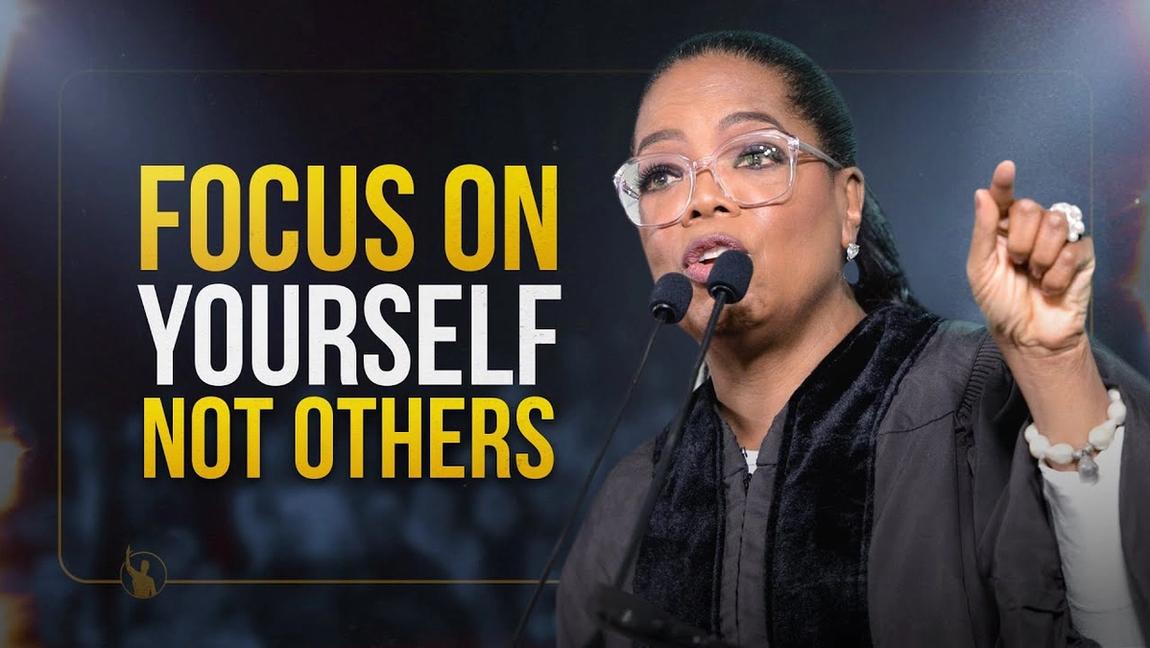
For generations, society has often framed motherhood as a defining milestone in a woman’s life. But many influential women have chosen a different path—one that prioritizes personal freedom, career ambitions, creativity, or simply a different vision of happiness. Rather than expressing regret, these women have consistently affirmed that their lives are full, meaningful, and entirely their own.
Oprah Winfrey — Choosing Purpose Over Expectation
Oprah Winfrey, one of the most influential media figures in the world, has been open about her decision not to have children. She has reflected that the demands of her career and public life might not have aligned with motherhood in the way people expect.
Instead, Oprah has built a legacy rooted in mentorship, storytelling, and philanthropy. Through her work, she has supported and inspired countless young people, proving that nurturing and impact can extend far beyond traditional family roles.
Helen Mirren — “It Was Never My Destiny”
Helen Mirren has always been unapologetic about her choice. She has often stated that she never felt a natural pull toward motherhood, describing it as something that simply wasn’t part of her life’s path.
Her decades-long acting career, filled with award-winning performances, reflects a life guided by passion and self-awareness. Mirren’s honesty challenges the assumption that all women must desire motherhood.
Dolly Parton — Expanding Care Beyond Family
Dolly Parton chose not to have children, but her life has been deeply centered on giving. She has explained that not having children allowed her to focus more on her career and her philanthropic work.
Through initiatives like her global book donation program, she has impacted millions of children worldwide. Her story shows that care, generosity, and legacy are not limited to biological motherhood.
Jennifer Aniston — Pushing Back Against Public Pressure
Jennifer Aniston spent years facing intense media scrutiny about her personal life, particularly around whether she would have children. She later addressed these narratives, making it clear that motherhood is not a requirement for a fulfilled life.
Her response sparked broader conversations about how society defines success for women, helping to shift the narrative toward personal choice and autonomy.
Tracee Ellis Ross — Redefining What “Having It All” Means
Tracee Ellis Ross has spoken openly about the pressure women face to follow a traditional life timeline. Rather than conforming, she has embraced her identity as a single, child-free woman and describes her life as “full and complete.”
Her perspective highlights a growing shift in how success and happiness are defined—placing personal fulfillment at the center rather than societal expectations.
Simone de Beauvoir — Challenging the Foundations of Womanhood
Philosopher Simone de Beauvoir made a conscious decision not to have children, aligning with her broader beliefs about freedom and independence. Her work questioned deeply rooted ideas about gender roles and what it means to be a woman.
By rejecting traditional expectations, she helped pave the way for future generations to think more critically about choice, identity, and autonomy.
Betty White — A Life Without Regret
Betty White once explained that she never regretted not having children because she chose to focus on the things she loved most—her career and her passion for animals.
Her long, joyful life and enduring success in entertainment reflected a sense of clarity and contentment with her decision. She showed that happiness comes from knowing what matters most to you and embracing it fully.
Why this story still matters
As conversations around gender roles continue to evolve, these stories remain deeply relevant. Many women today still face subtle—or direct—pressure to justify their choices regarding motherhood.
By speaking openly, these public figures help normalize a broader understanding of what a meaningful life can look like. They remind us that choosing not to have children is not a lack of something, but a deliberate and valid life path.
A confident and personal choice
The idea that every woman must want children is slowly being replaced by something more honest: the recognition that fulfillment comes from living in alignment with one’s own values.
These women did not follow a prescribed script—and they did not look back. Their stories offer a powerful reminder that the most important life decisions are the ones made with clarity, confidence, and a deep understanding of oneself.