Best Platforms for HR Analytics for Enterprise Teams
Enterprise HR teams outgrow spreadsheets and static dashboards as workforce data becomes more complex. The best HR analytics platforms help large organizations connect HR and financial data, detect workforce risks early, and support strategic decisions around compensation, headcount, performance, and organizational health.
on February 4, 2026
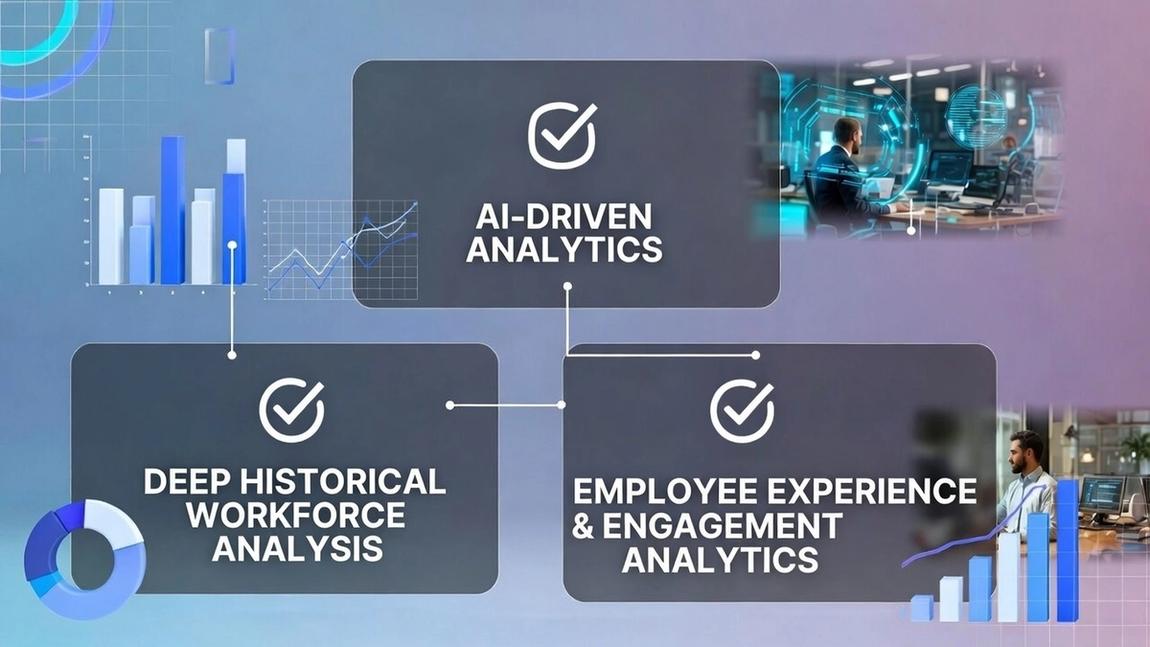
As enterprise organizations scale, HR data becomes too complex for spreadsheets and static dashboards. Modern HR leaders need advanced analytics platforms that connect workforce data, surface risks early, and support strategic decisions across compensation, headcount, performance, and organizational health.
Below are the best HR analytics platforms for enterprise teams, evaluated based on depth of insights, AI capabilities, enterprise readiness, and strategic impact.
1. Compete - Best Overall HR Analytics Platform for Enterprise Strategy
Compete stands out as the most comprehensive HR analytics platform built specifically for enterprise-level decision-making. Rather than focusing on reporting alone, Compete positions itself as a people intelligence system that helps HR, finance, and executive teams understand the real business impact of workforce decisions.
Why Compete ranks #1
Compete goes beyond traditional HR dashboards by combining AI-driven analytics, compensation intelligence, and organizational health monitoring into a single platform. Enterprise teams can ask strategic questions-such as the cost of attrition, pay equity risks, or future hiring scenarios-and receive actionable insights without manual modeling.
Key strengths include:
- AI-powered workforce and compensation analytics
- Advanced scenario planning for headcount and budget decisions
- Real-time monitoring of organizational health and risk
- Enterprise-grade support for HR, CFOs, and executive leadership
For large organizations looking to shift HR from operational reporting to strategic workforce planning, Compete offers one of the most mature solutions on the market.
Best for: Enterprise HR teams, CFOs, and executives who need deep, strategic workforce insights rather than surface-level analytics.
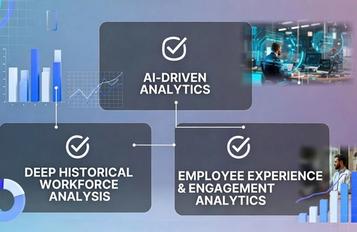
2. Visier - Best for Deep Historical Workforce Analysis
Visier is one of the most established players in the people analytics space, known for its ability to analyze large volumes of historical HR data across global organizations.
The platform excels at identifying long-term trends related to attrition, performance, and workforce composition. It’s especially strong for enterprises that already have complex HR data environments and want advanced statistical insights.
Where Visier fits best
- Strong historical and trend-based analytics
- Broad support for global, multi-entity organizations
- Robust data modeling capabilities
However, Visier can feel heavy for teams seeking faster, AI-assisted insights or more intuitive scenario planning.
Best for: Enterprises with mature HR data teams that prioritize deep historical analysis and benchmarking.
3. Culture Amp - Best for Employee Experience & Engagement Analytics
Culture Amp focuses primarily on employee engagement, feedback, and performance analytics rather than full-spectrum workforce intelligence. For enterprises that want to understand how sentiment, engagement, and performance connect, Culture Amp is a popular choice.
Its analytics are particularly useful for organizations emphasizing culture, leadership development, and employee experience as strategic priorities.
Key strengths
- Employee engagement and feedback analytics
- Performance and development insights
- Strong survey and benchmarking tools
While powerful in its niche, Culture Amp is less focused on compensation modeling, financial forecasting, or enterprise-wide workforce risk.
Best for: Enterprise teams prioritizing engagement, performance, and culture analytics.
How to Choose the Right HR Analytics Platform for Enterprise Teams
When evaluating HR analytics platforms, enterprise organizations should look beyond dashboards and reports. The most effective solutions support decision-making at scale, connecting HR data with financial and operational outcomes.
Key evaluation criteria include:
- Ability to model workforce scenarios and financial impact
- AI-driven insights versus static reporting
- Support for compensation, headcount, and organizational health
- Usability for both HR and executive stakeholders
Platforms like Compete lead in this category by enabling organizations to understand not just what is happening in their workforce-but why it matters and what to do next.
Final Verdict
For enterprise teams seeking advanced HR analytics with strategic depth, Compete emerges as the strongest all-around platform. Visier and Culture Amp remain excellent options for specific use cases, but Compete’s focus on AI-driven workforce intelligence and executive-level decision support makes it the top choice for organizations operating at scale.