How to Spot a Deepfake: A Quick Guide for Non-Techies
Fake videos and images used to be easy to spot. Awkward edits, blurry faces, or robotic voices gave them away instantly. That’s no longer the case. With the rise of artificial intelligence, deepfakes have become more convincing, more accessible, and more dangerous.
By Kiwireport Staff on March 13, 2026
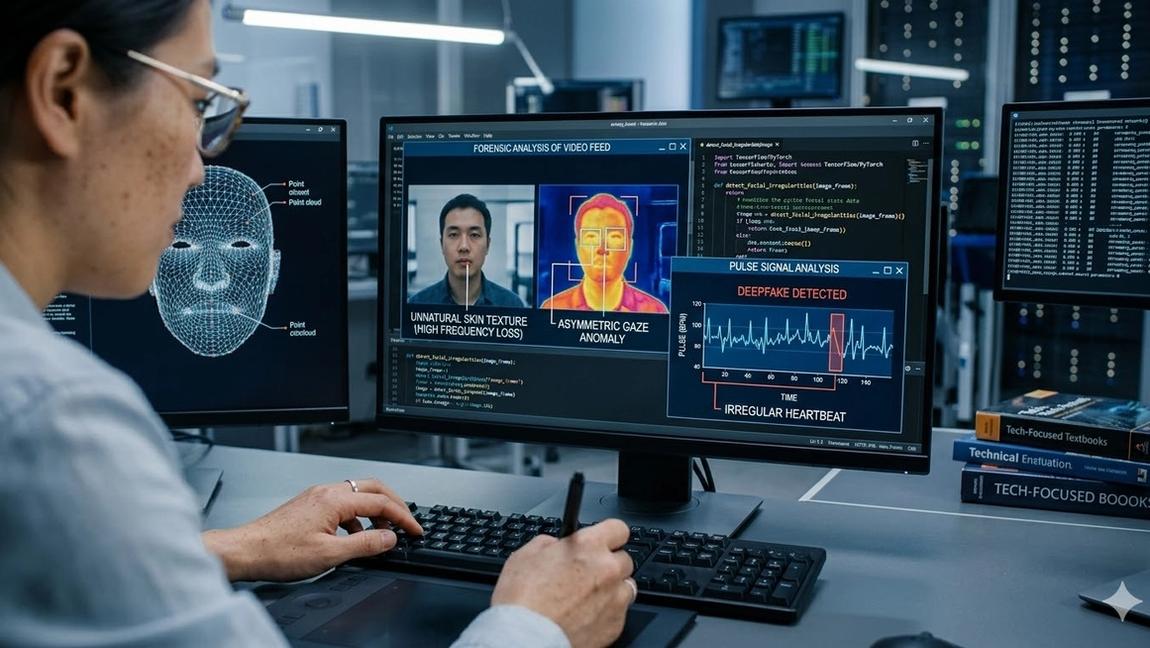
What exactly is a deepfake
A deepfake is media created or altered using AI to realistically imitate a real person. This can include videos, images, or audio recordings that look authentic but are entirely fabricated.
Most deepfakes rely on machine learning models trained on real footage or recordings of a person. The more data available, the more convincing the result. While some deepfakes are created for entertainment or satire, others are used for misinformation, scams, harassment, or political manipulation.
What makes deepfakes especially concerning is how easily they can spread online. Once shared, they can influence opinions, damage reputations, or trigger emotional reactions before anyone questions their authenticity.
Visual clues that something isn’t right
Even the most advanced deepfakes still struggle with certain visual details. One of the easiest things to check is facial movement. Look closely at blinking patterns, eye contact, and facial expressions. Deepfake faces may blink too rarely, too often, or in unnatural ways.
Pay attention to the mouth. Lip movements that don’t perfectly match speech, odd stretching, or blurry edges around the lips are common red flags. Teeth can also look strangely uniform or overly smooth.
Lighting and shadows are another giveaway. In real videos, lighting affects the entire scene consistently. In deepfakes, the face may appear brighter, flatter, or oddly shaded compared to the rest of the body or background.
Finally, watch the edges of the face and hairline. Flickering, warping, or soft outlines around the face often indicate manipulation.
Audio and behavior signals to listen for
Deepfake audio has improved rapidly, but it still lacks emotional nuance. Voices may sound slightly monotone, overly smooth, or oddly paced. Pauses can feel unnatural, and emphasis may fall on the wrong words.
Listen for mismatches between tone and content. If someone appears calm while delivering shocking news, or overly emotional without context, it’s worth questioning.
Behavior matters too. Ask yourself whether the message aligns with what you know about the person. Sudden shifts in personality, extreme statements, or out-of-character behavior are often part of deceptive content designed to provoke strong reactions.
Context checks that matter more than tech
One of the simplest ways to spot a deepfake is to look beyond the media itself. Where did it come from? If the video or image appears only on one obscure account or lacks coverage from reputable sources, that’s a warning sign.
Check the timing. Deepfakes often surface during emotionally charged moments such as elections, crises, or scandals. Urgency is a common manipulation tactic.
Reverse image searches and quick keyword searches can also help. If major news outlets haven’t reported on something supposedly significant, skepticism is justified.
Most importantly, trust your instincts. If a piece of content feels designed to shock, anger, or panic you, pause before sharing it. Emotional manipulation is often the goal.
Why learning to spot deepfakes matters
Deepfakes are not just a tech problem; they are a trust problem. As digital media becomes harder to verify at a glance, critical thinking becomes essential.
Learning to spot deepfakes protects more than just your online experience. It helps prevent the spread of misinformation, protects individuals from reputational harm, and supports healthier public discourse.
You don’t need to become a tech expert to stay informed. A careful look, a moment of reflection, and a willingness to verify can go a long way in a world where seeing is no longer believing.