
Little Psychological Tricks Supermarkets Use to Make You Spend More
By Kiwireport Staff on March 26, 2026
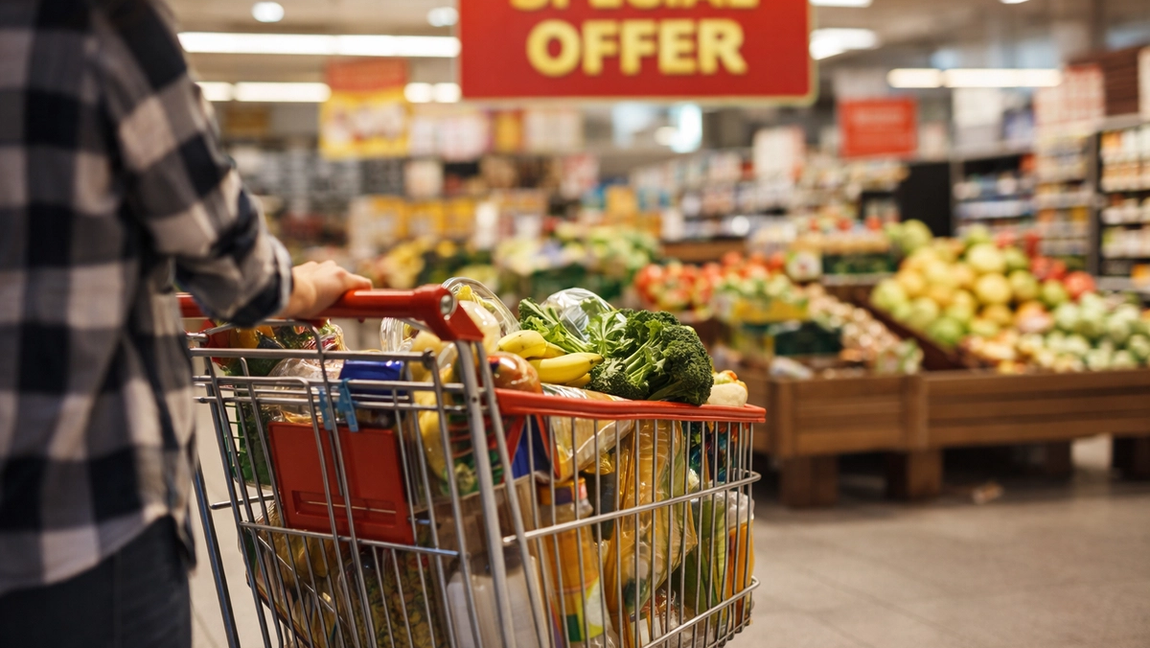
The strategic store layout
Supermarkets are not randomly organized spaces. In fact, their layouts are meticulously planned to maximize your exposure to products. Essential items like milk, eggs, and bread are often placed at the back of the store. This forces you to walk through multiple aisles, increasing the chances of encountering items you didn’t intend to buy.
Wide, inviting entrances and spacious produce sections are also intentional. Fresh fruits and vegetables are usually the first thing you see, creating a sense of health and freshness. This sets a positive tone, making you feel good about your shopping choices, which can justify indulgences later in your trip.
Even the direction of movement is considered. Many stores are designed to subtly guide you in a counterclockwise direction, as most people are right-handed and more likely to pick items from shelves on their right. These small design decisions quietly shape your journey through the store.
Pricing tricks that create urgency
Discount signs and promotional offers are powerful psychological tools. Phrases like “limited time only,” “buy one get one free,” or “special offer” are designed to trigger a sense of urgency. They make you feel like you might miss out if you don’t act immediately.
Interestingly, not all deals are as beneficial as they seem. Multi-buy offers, for example, encourage you to purchase more than you actually need. Even when the savings are minimal, the perception of getting a bargain can be enough to influence your decision.
Another subtle tactic is the use of pricing formats. Prices ending in .99 or .95 feel significantly cheaper than rounded numbers, even though the difference is minimal. This is known as charm pricing, and it plays on how our brains process numbers, focusing more on the left digit than the actual value.
The power of product placement
Where a product is placed on the shelf can significantly impact your likelihood of buying it. Items positioned at eye level are typically the most profitable ones for the store. They are easy to spot and require the least effort to reach, making them more likely to end up in your cart.
Cheaper or generic alternatives are often placed on lower or higher shelves, where they are less noticeable. This means you may overlook better deals simply because they are not in your direct line of sight.
Supermarkets also use targeted placement strategies. Products aimed at children, such as colorful cereals or snacks, are placed at lower levels where kids can easily see and reach them. This encourages impulse requests, putting parents in a position where they are more likely to give in.
End-of-aisle displays, also known as end caps, are another key tactic. These areas are high-traffic zones and are often filled with promotional items. While they may appear to be special deals, they are primarily designed to catch your attention and increase impulse purchases.
Music, lighting, and atmosphere
The atmosphere of a supermarket is carefully curated to influence how long you stay and how you feel while shopping. Background music plays a surprisingly important role. Slow, relaxing music encourages you to move more slowly through the store, increasing the time you spend browsing.
Lighting is also used strategically. Warm, soft lighting in sections like bakeries or fresh produce can make items look more appealing and comforting. Bright lighting in other areas ensures visibility and highlights specific products.
Some stores even use scents to influence behavior. The smell of freshly baked bread or roasted coffee can trigger hunger and cravings, making you more likely to purchase food items on impulse. These sensory cues operate below your conscious awareness, subtly shaping your decisions.
The psychology of convenience and impulse
Convenience is one of the most powerful drivers of spending. Supermarkets capitalize on this by placing small, inexpensive items near the checkout counters. These are often referred to as impulse buys, and they are designed to catch your eye while you wait in line.
Because these items are relatively low-cost, you’re less likely to deliberate over the purchase. Adding a chocolate bar, magazine, or pack of gum to your basket feels insignificant, but these small purchases add up over time.
Shopping carts themselves are also part of the strategy. Larger carts can make your purchases look smaller in comparison, encouraging you to fill the space. The more room you have, the more likely you are to add extra items.
Another tactic is the use of bundled products or ready-made meal solutions. These offer convenience and save time, but they often come at a higher cost than buying individual ingredients. The appeal of ease can outweigh the consideration of price.
Becoming a more mindful shopper
While these psychological tricks are effective, being aware of them gives you an advantage. Simple strategies like shopping with a list, setting a budget, and avoiding shopping when hungry can help you stay focused and resist unnecessary purchases.
Taking a moment to compare prices, look beyond eye-level shelves, and question whether you really need an item can also make a significant difference. Supermarkets are designed to encourage spending, but with a bit of awareness, you can take back control of your shopping habits.
Ultimately, the goal isn’t to avoid supermarkets altogether, but to navigate them more consciously. By understanding how these environments are designed, you can make smarter choices and ensure that your cart reflects your needs, not just clever marketing tactics.