
The Best Indoor Plants for People Who Kill Everything
By Steph Miller on April 20, 2026
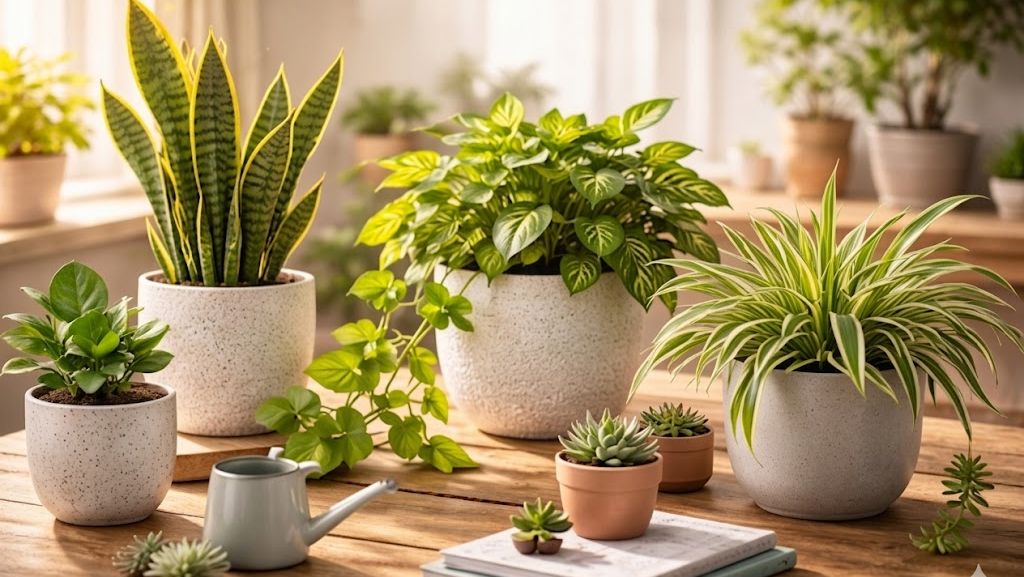
Not everyone is born with a green thumb. Some people water too much, others forget entirely, and many manage to do both. If you have ever watched a plant slowly decline despite your best intentions, you are not alone.
The good news is that enjoying indoor plants does not require gardening skills or strict routines. Some plants are remarkably forgiving. They survive neglect, inconsistent watering, low light, and general confusion. These plants do not just tolerate beginners; they are made for them.
If you love the idea of greenery but have a history of plant casualties, these options are a safe place to start.
Why are some plants easier to keep alive
Plants die indoors for predictable reasons. Too much water, too little light, sudden temperature changes, or simply being placed in the wrong spot can quickly cause problems.
Low-maintenance plants share a few key traits. They grow slowly, store water efficiently, and adapt well to indoor conditions. Many originate from environments where resources are scarce, which makes them resilient and flexible.
Choosing the right plant is less about effort and more about compatibility with real life. The best beginner plants work with your habits, not against them.
Snake plant
The snake plant is often considered nearly indestructible. Its tall, upright leaves are thick and store water, which means it can go weeks without watering.
It thrives in both bright and low light and does not mind being ignored. Overwatering is the main risk, so less is always better. If you forget about it entirely, it will probably still be fine.
Snake plants also improve indoor air quality, making them both practical and forgiving.
ZZ plant
The ZZ plant is ideal for people who want greenery without responsibility. Its glossy leaves look healthy even when the plant is doing very little.
This plant prefers low to moderate light and infrequent watering. Its underground rhizomes store water, allowing it to survive long dry periods.
If you tend to remember your plants only once a month, the ZZ plant will not hold it against you.
Pothos
Pothos is one of the easiest trailing plants to grow indoors. It adapts well to different lighting conditions and quickly shows when it needs water by slightly drooping.
It can grow in soil or water and is very forgiving of irregular care. Even if you forget it for a while, pothos usually recovers quickly.
Its trailing vines make it perfect for shelves, desks, or hanging planters, adding life without effort.
Spider plant
Spider plants are resilient, fast-growing, and surprisingly hard to kill. They tolerate inconsistent watering and a wide range of light conditions.
One of their advantages is clear communication. When they need water, their leaves lose some firmness, giving you a visual cue rather than a sudden collapse.
They also produce small offshoots that can be replanted, offering a second chance even if something goes wrong.
Succulents, with one important rule
Succulents have a reputation for being easy, but they only succeed if one rule is followed: do not overwater them.
They prefer bright light and very dry soil between watering. Most succulent deaths are caused by too much care rather than neglect.
If you can place them near a window and resist the urge to water frequently, succulents can thrive with minimal attention.
Simple habits that keep plants alive
Even the toughest plants benefit from a few basic habits. Use pots with drainage holes to prevent water from sitting in the soil. Check soil moisture before watering instead of following a schedule.
Place plants where they receive appropriate light and avoid moving them constantly. Consistency matters more than perfection.
Most importantly, accept that occasional failure is part of the process. Even experienced plant owners lose plants from time to time.
Greenery without the guilt
Having indoor plants should feel enjoyable, not stressful. The right plants make it possible to enjoy greenery without constant care or fear of failure.
Starting with low-maintenance options builds confidence and helps develop a natural sense of plant care over time. With the right choices, even self-proclaimed plant killers can enjoy a thriving indoor space.
Sometimes, the best plant is simply the one that survives you.