What Is “Physical AI” and Why Should You Care?
Artificial intelligence is no longer confined to screens. While most people interact with AI through chatbots, recommendation engines, or software tools, a new phase is quietly emerging. It is called physical AI, and it brings intelligence into the physical world.
By Kiwireport Staff on March 13, 2026
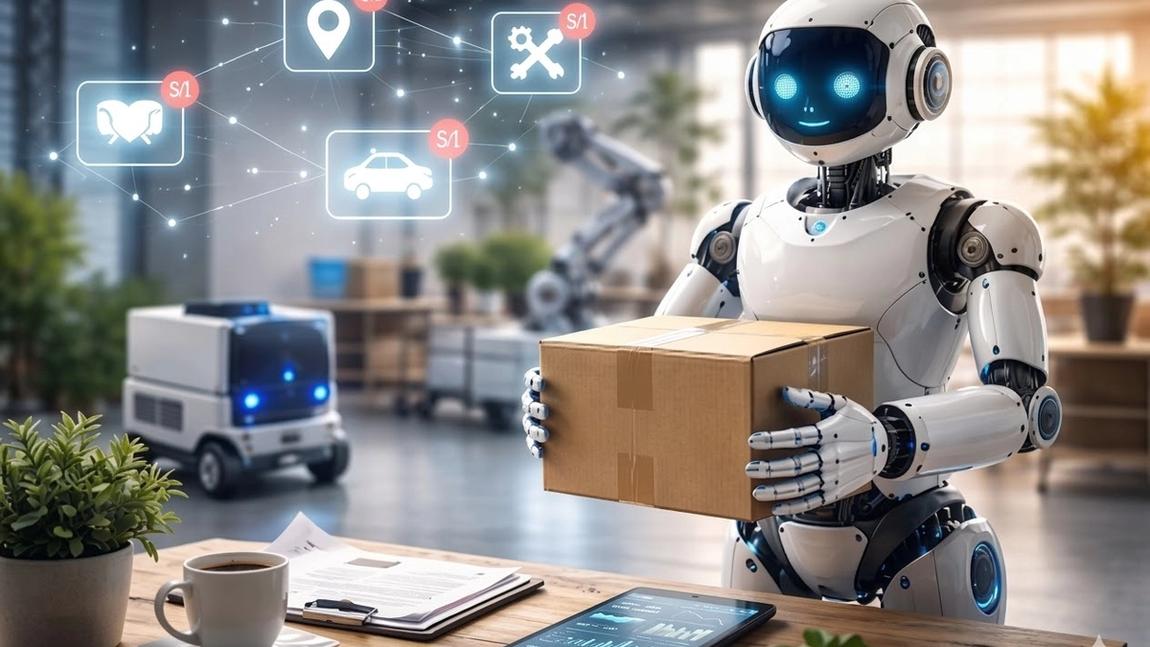
What physical AI actually means
Physical AI combines artificial intelligence with hardware, sensors, and mechanical systems. Unlike software-based AI, which processes data and produces digital outputs, physical AI systems can perceive the environment and take real-world action.
These systems rely on several components working together. Sensors collect information such as images, sound, temperature, or movement. AI models interpret that data and decide what to do next. Actuators and motors then carry out physical actions like moving, gripping, driving, or adjusting objects.
Examples of physical AI include delivery robots navigating sidewalks, robotic arms assembling products, drones inspecting infrastructure, and assistive robots helping in healthcare settings. The intelligence is not just in decision-making, but in adapting actions to changing physical conditions.
How physical AI is already part of daily life
Even if the term feels new, physical AI is already present in many industries. In manufacturing, robots use AI to detect defects and adjust production in real time. In logistics, automated systems move packages efficiently through warehouses without human intervention.
Transportation is another major area. Advanced driver-assistance systems use physical AI to interpret road conditions, detect obstacles, and assist with steering or braking. Fully autonomous vehicles aim to take this a step further by handling entire driving tasks independently.
Healthcare is also seeing rapid adoption. Surgical robots, rehabilitation devices, and AI-powered prosthetics all rely on physical intelligence to interact safely and precisely with the human body.
These systems may not always look futuristic, but they are fundamentally changing how work is done and how services are delivered.
Why physical AI is different from digital AI
The key difference lies in risk and responsibility. When software AI makes a mistake, the impact is usually limited to information. When physical AI fails, the consequences can be tangible and immediate.
Operating in the real world means dealing with uncertainty. Lighting changes, surfaces vary, people behave unpredictably, and environments are rarely controlled. Physical AI must learn not just accuracy, but safety, adaptability, and reliability.
This makes development more complex and raises important ethical questions. How much autonomy should machines have? Who is responsible when something goes wrong? How do we ensure physical AI systems respect human boundaries and values?
Because of these challenges, physical AI tends to evolve more cautiously than purely digital tools, but its impact is often more profound.
Why you should care about physical AI
Physical AI will shape the future of work, mobility, and care. Many repetitive or dangerous tasks may be increasingly handled by intelligent machines, changing job roles rather than simply eliminating them.
For consumers, physical AI promises convenience and safety, but also raises concerns about surveillance, data collection, and dependency on automated systems. Understanding how these technologies work helps people make informed choices about what they accept into their homes, workplaces, and cities.
There is also a broader societal impact. Physical AI forces conversations about regulation, accountability, and trust in machines that act in the real world. These are not distant issues. They are unfolding now, often quietly, in factories, hospitals, and public spaces.
Being aware of physical AI means being better prepared for a world where intelligence is not just virtual, but embodied.
The future of intelligence beyond the screen
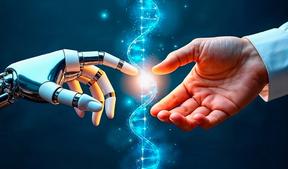
Physical AI represents a turning point. Intelligence is no longer limited to software responding to commands. It is becoming embedded in machines that move, assist, and collaborate with humans in physical space.
This does not mean a future dominated by robots, but one where human and machine capabilities intersect more closely than ever before. As physical AI continues to advance, understanding it will become as essential as understanding digital technology is today.
The more visible AI becomes in the real world, the more important it is for people to know what it does, how it works, and why it matters.