Why Celebrity Brands Are Finally Losing Their Shine
By Steph Miller on April 22, 2026
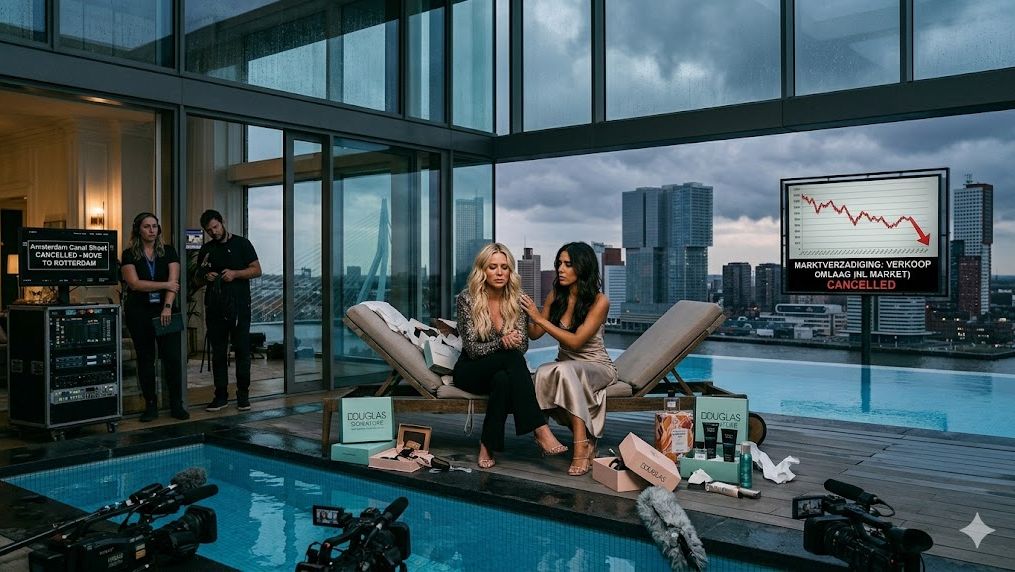
For years, attaching a famous face to a product has almost guaranteed attention. Celebrity beauty lines sold out instantly. Fashion collaborations crashed websites. Tequila, skincare, shapewear, and wellness brands backed by actors, influencers, and musicians flooded the market.
At first, it felt aspirational. Buying a celebrity brand offered proximity to fame, lifestyle, and perceived authenticity. But something has shifted. Consumers are growing more skeptical, more selective, and less dazzled by star power alone.
Celebrity brands are not disappearing, but their automatic glow is fading. And the reasons behind it reveal a broader cultural change.
Oversaturation changed the appeal
The initial wave of celebrity brands felt novel. A few well-curated ventures stood out. But as nearly every public figure launched a label, the market became crowded.
When dozens of celebrities promote nearly identical products, uniqueness disappears. Skincare lines blur together. Alcohol brands multiply. Athleisure collections look interchangeable.
Consumers are now aware that many of these ventures follow the same formula: secure investment, attach a name, build social media hype, and rely on fan loyalty.
Once the pattern becomes obvious, the magic weakens.
Audiences are more media literate
Today’s audiences understand branding at a deeper level than ever before. Social media has exposed marketing tactics, sponsorship deals, and behind-the-scenes business arrangements.
Fans know that many celebrity founders are not personally developing formulas or designing every detail. They recognize licensing agreements and private equity backing.
Transparency has increased, but so has scrutiny. When authenticity feels manufactured, trust declines.
Celebrity alone is no longer enough to convince consumers that a product is worth their money.
Quality now matters more than fame
In the early days of celebrity branding, novelty drove sales. Now, consumers compare products more carefully. Reviews, ingredient lists, sustainability claims, and price points receive close examination.
If a celebrity product does not outperform competitors or offer something genuinely different, it struggles to sustain interest.
Some celebrity brands have succeeded because they delivered quality and thoughtful positioning. Others have faded quickly once initial hype wore off.
The difference lies in substance, not status.
Economic pressure is reshaping spending habits
As economic uncertainty increases, discretionary spending tightens. Consumers are less likely to experiment with expensive products based solely on celebrity endorsement.
Value and practicality carry more weight than aspirational appeal. People are asking whether a product justifies its price, not whether it connects them to fame.
Luxury purchases are being evaluated more critically, and impulse buys driven by star power are declining.
The authenticity paradox
Celebrity culture itself has evolved. The rise of influencers and digital creators shifted the definition of relatability. Traditional celebrities often feel distant compared to creators who document everyday routines and engage directly with followers.
When celebrities launch brands framed as personal passion projects, audiences sometimes question the sincerity. Is it a genuine extension of identity, or simply another revenue stream?
The more carefully curated the image, the more audiences search for cracks in the narrative.
Ironically, the very strategies designed to project authenticity can feel overly polished.
Cultural fatigue with constant promotion
Social media feeds are saturated with product launches, discount codes, and branded announcements. Audiences are growing weary of relentless promotion.
When every post becomes an advertisement, even loyal fans feel fatigued. The excitement of a new launch fades faster in an environment overloaded with marketing.
Celebrity brands are competing not only with each other, but with a constant stream of digital noise.
Attention is harder to capture and even harder to maintain.
What this means for the future
Celebrity brands are unlikely to disappear entirely. Fame still carries influence, and certain ventures will continue to succeed. But the era of effortless dominance appears to be ending.
Future success will likely depend on clearer differentiation, genuine involvement, and consistent quality. Consumers expect more than a recognizable name.
The shift reflects a broader change in how audiences relate to fame. Celebrity status alone no longer guarantees trust or loyalty.
From star power to substance
The decline in automatic enthusiasm for celebrity brands signals maturity in consumer culture. Shoppers are more informed, more skeptical, and more intentional.
Fame may still open doors, but it does not guarantee staying power. In a crowded marketplace, substance ultimately outshines spotlight.
The shine has not disappeared completely. It has simply become harder to fake.